单选题
英语四级
题号 #3223612
Questions are based on the following passage.
Reading leadership literature, you'd sometimes think that everyone has the potential to be an
effective leader.
I don't believe that to be true. In fact, I see way fewer truly effective leaders than I see peoplestuck in positions of leadership who are sadly incompetent and seriously misguided about their ownabilities.
Part of the reason this happens is a lack of honest selfiassessment by those who aspire to (追求)
leadership in the first place.
We've all met the type of Individual who simply must take charge. Whether it's a decision-makingsession, a basketball game, or a family outing, they can't help grabbing the lead dog position andclinging on to it for dear life. They believe they're natural born leaders.
Truth is, they're nothing of the sort. True leaders don't assume that it's their divine (神圣的) right totake charge every time two or more people get together. Quite the opposite. A great leader will assesseach situation on its merits, and will only take charge when their position, the situation, and/or theneeds of the moment demand it.
Many business executives confuse leadership with action.They believethat constantmotionsomehow generates leadership as a byproduct. Faced with any situation that can't be solved by thesheer force of activity, they generate a dust cloud of impatience. Their one leadership tool is volume: ifthey think you aren't working as hard as they think you should, their demands become increasinglylouder and harsher.
True leaders understand the value of action, of course, but it isn't their only tool. In fact, it isn'teven their primary tool.Great leaders see morethan everyoneelse:answers,solutions,patterns,problems, opportunities. They know it's vitally important to do, but they also know that thinking,understanding, reflection and interpretation are equally important.
If you're too concerned with outcomes to the extent that you manipulate and intimidate others toachieve those outcomes, then you aren't leading at all, you're dictating. A true leader is someone who
develops his or her team so that they can and do hit their targets and achieve their goals.
注意:此部分试题请在答题卡2上作答。
What does the author think of the leaders he knows?
参考答案
B
答案解析
【定位】根据题干中的the leaders he knows定位至第2段第2句。
【解析】第2段第2句提到,作者所见过的真正高效的领导者很少,更多的是处在领导者的位置,却总是被自己的无能给蒙蔽的人。B“很少有人胜任他们的职位”是对原文的概括,be equal to在此处意为“胜任”。’【点睛】A“大多数领导人习惯于掌控”,尽管第4段开头说到了我们都遇到过必须掌控一切的人,但说的是普通人.包括非领导者,并非关于作者认识的领导者的描述,故A不对;C“很多领导者不能完全开发其潜力”利用第1段出现的potential一词作干扰,作者并不认为每个人都有当领导的潜质,且领导者不能胜任是因为能力不足.并非未发挥潜能,故C也不对;D“很少有人熟悉关于领导力的书籍”仅利用第l段leadership literature作干扰.所述内容并无实质根据.
全文翻译划线点评
阅读了有关领导力的书籍之后,你有时会认为每个人都有潜力成为
一个卓有成效的领导者。
我却认为这一观点并不正确。【61】事实上我所见过的真正高效的领导者很少,更多的是处在领导者的位置,却总是被自己的无能给蒙蔽的人.
这一现象的原因可以部分归咎于那些一开始就追求领导权的人,他
们缺乏诚实的自我评价
我们都遇到过那种必须掌控一切的人。无论是决策会议、篮球比赛还是家庭出游,他们会不由自主地紧紧抓住领导的位置并拼命做到底。【62】他们认为自己是天生的领导者。
高频词汇
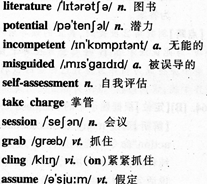
事实上,他们并不是这种人。真正的领导者不认为每次两个或更多人聚会时,掌控是他们的神圣权利。恰恰相反,【63】伟大的领导者会审时度势,仅仅当职位、情势和威当时的条件正好需要他的时候才会掌控一切很多企业管理人员将领导和行动混为一谈,他们认为不断的行动在某种程度上会产生领导权这一副产品。【64】当面对不能通过纯粹的活动来解决的情况时。他们会变得极度不耐烦。嗓音音量是他们的领导工具之一:如果他们认为你没有像他们期望的那样努力工作。他们的命令会变得越来越大声、越来越刺耳。
+真正的领导者当然明白行动的价值。但这不是他们唯一的领导工具。事实上,这不会是他们最主要的工具。伟大的领导者比其他人观察到更多的东西:答案、解决方案、方式、问题、机遇。他们知道行动很重要。但是他们也知道思考、理解、反思和阐释也同等重要。
如果你太过于关注结果,以至于你通过操控和威胁他人来达到这些目标,那么你这根本不叫领导,你这是在独裁。【65】真正的领导者培养出来的团队有能力并且确实能达到目的、实现目标。
【解析】第2段第2句提到,作者所见过的真正高效的领导者很少,更多的是处在领导者的位置,却总是被自己的无能给蒙蔽的人。B“很少有人胜任他们的职位”是对原文的概括,be equal to在此处意为“胜任”。’【点睛】A“大多数领导人习惯于掌控”,尽管第4段开头说到了我们都遇到过必须掌控一切的人,但说的是普通人.包括非领导者,并非关于作者认识的领导者的描述,故A不对;C“很多领导者不能完全开发其潜力”利用第1段出现的potential一词作干扰,作者并不认为每个人都有当领导的潜质,且领导者不能胜任是因为能力不足.并非未发挥潜能,故C也不对;D“很少有人熟悉关于领导力的书籍”仅利用第l段leadership literature作干扰.所述内容并无实质根据.
全文翻译划线点评
阅读了有关领导力的书籍之后,你有时会认为每个人都有潜力成为
一个卓有成效的领导者。
我却认为这一观点并不正确。【61】事实上我所见过的真正高效的领导者很少,更多的是处在领导者的位置,却总是被自己的无能给蒙蔽的人.
这一现象的原因可以部分归咎于那些一开始就追求领导权的人,他
们缺乏诚实的自我评价
我们都遇到过那种必须掌控一切的人。无论是决策会议、篮球比赛还是家庭出游,他们会不由自主地紧紧抓住领导的位置并拼命做到底。【62】他们认为自己是天生的领导者。
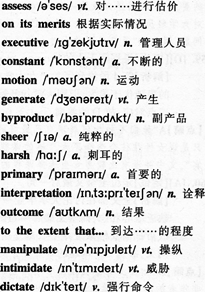
高频词汇
事实上,他们并不是这种人。真正的领导者不认为每次两个或更多人聚会时,掌控是他们的神圣权利。恰恰相反,【63】伟大的领导者会审时度势,仅仅当职位、情势和威当时的条件正好需要他的时候才会掌控一切很多企业管理人员将领导和行动混为一谈,他们认为不断的行动在某种程度上会产生领导权这一副产品。【64】当面对不能通过纯粹的活动来解决的情况时。他们会变得极度不耐烦。嗓音音量是他们的领导工具之一:如果他们认为你没有像他们期望的那样努力工作。他们的命令会变得越来越大声、越来越刺耳。
+真正的领导者当然明白行动的价值。但这不是他们唯一的领导工具。事实上,这不会是他们最主要的工具。伟大的领导者比其他人观察到更多的东西:答案、解决方案、方式、问题、机遇。他们知道行动很重要。但是他们也知道思考、理解、反思和阐释也同等重要。
如果你太过于关注结果,以至于你通过操控和威胁他人来达到这些目标,那么你这根本不叫领导,你这是在独裁。【65】真正的领导者培养出来的团队有能力并且确实能达到目的、实现目标。
你可能感兴趣的试题
A. They believe they have the natural gift to lead.
B. They believe in what leadership literature says.
C. They have proved competent in many situations.
D. They derive great satisfaction from being leaders.
A. Being able to take prompt action when chances present themselves.
B. Having a whole-hearted dedication to their divine responsibilities.
C. Having a full understanding of their own merits and weaknesses.
D. Being able to assess the situation carefully, before taking charge.
A. They reassess the situation at hand.
B. They become impatient and rude.
C. They resort to any tool available.
D. They blame their team members.