单选题
英语四级
题号 #3514888
阅读材料:回答题
Reaping the Rewards of Risk-Taking
A. Since Steve Jobs resigned as chief executive of Apple, much has been said about him as a peerless business leader who has created immense wealth for shareholders, and guided the design of hit products that are transforming entire industries, like music and mobile communications.
B. All true, but let's think different, to borrow the Apple marketing slogan of years back. Let's look at Mr. Jobs as a role model.
C. Above all, he is an innovator (创新者). His creative force is seen in products such as the iPod, iPhone, and iPad, and in new business models for pricing and distributing music and mobile software online. Studies of innovation come to the same conclusion: you can't engineer innovation, but you can increase the odds of it occurring. And Mr. Jobs' career can be viewed as a consistent pursuit of improving those odds, both for himself and the companies he has led. Mr. Jobs, of course, has enjoyed singular success. But innovation, broadly defined, is the crucial ingredient in all economic progress--higher growth for nations, more competitive products for companies, and more prosperous careem for individuals. And Mr. Jobs, many experts say, exemplifies what works in the innovation game.
D. "We can look at and learn from Steve Jobs what the essence of American innovation is," says John Kao, an innovation consultant to corporations and governments. Many other nations, Mr. John Kao notes, axe now ahead of the United States in producing what are considered the raw materials of innovation. These include government financing for scientific research, national policies to support emerging industries, educational achievement, engineers and scientists graduated, even the speeds of Internet broadband service.
E. Yet what other nations typically lack, Mr. Kao adds, is a social environment that encourages diversity, experimentation, risk-taking, and combining skills from many fields into products that he calls "recombinant mash-ups (打碎重组)," like the iPhone, which redefined the smartphone category. "The culture of other countries doesn't support the kind of innovation that Steve Jobs exemplifies, as America does," Mr. John Kao says.
F. Workers of every rank are told these days that wide-ranging curiosity and continuous learning are vital to tturiving in the modern economy. Formal education matters, career counselors say, but real- life experience is often even more valuable.
G. An adopted child, growing up in Silicon Valley, Mr. Jobs displayed those traits early on. He wasfascinated by electronics as a child, building Heathkit do-it-yourself projects, like radios. Mr. Jobs dropped out of Reed College after only a semester and traveled around India in search of spiritual enlightenment, before returning to Silicon Valley to found Apple with his friend, Stephen Wozniak, an engineering wizard (奇才). Mr. Jobs was forced out of Apple in 1985, went off and founded two other companies, Next and Pixar, before returning to Apple in 1996 and becoming chiefexecutive in 1997.
H. His path was unique, but innovation experts say the pattern of exploration is not unusual. "It's often people like Steve Jobs who can draw from a deep reservoir of diverse experiences that often generate breakthrough ideas and insights," says Hal Gregersen, a professor at the European Institute of Business Administration.
I. Mr. Gregersen is a co-author of a new book, The Innovator's DNA, which is based on an eight-year study of 5,000 entrepreneurs (创业者. and executives worldwide. His two collaborators and co- authors are Jeff Dyer, a professor at Brigham Young University, and Clayton Christensen, a professor at the Harvard Business School, whose 1997 book The Innovator's Dilemma popularized the concept of "disruptive ( 颠覆性的. innovation. "
J. The academics identify five traits that are common to the disruptive innovators: questioning, experimenting, observing, associating and networking. Their bundle of characteristics echoes the ceaseless curiosity and willingness to take risks noted by other experts. Networking, Mr. Hal Gregersen explains, is less about career-building relationships than a consistent search for new ideas. Associating, he adds, is the ability to make idea-producing connections by linking concepts from different disciplines.
K. "Innovators engage in these mental activities regularly," Mr. Gregersen says. "It's a habit for them. " Innovative companies, according to the authors, typically enjoy higher valuations in thestock market, which they call an "innovation premium (溢价). " It is calculated by estimating the share of a company's value that cannot be accounted for by its current products and cash flow. The innovation premium tries to quantify ( 量化. investors' bets that a company will do even better in the future because of innovation.
L. Apple, by their calculations, had a 37 percent innovation premium during Mr. Jobs' first term withthe company. His years in exile resulted in a 31 percent innovation discount. After his return, Applee's fortunes inmroved gradv at first, and imp)roved markedly starting in 2005, yielding a 52percent innovation premium since then.
M. There is no conclusive proof, but Mr. Hal Gregersen says it is unlikely that Mr. Jobs could havereshaped industries beyond computing, as he has done in his second term at Apple, without theexperience outside the company, especially at Pixar--the computer-animation (动画制作. studiothat created a string of critically and commercially successful movies, such as "Toy Story" and
N. Mr. Jobs suggested much the same thing during a commencement address to the graduating class atStanford University in 2005. "It turned out that getting fired from Apple was the best thing thatcould have ever happened to me," he told the students. Mr. Jobs also spoke of perseverance ( 坚持. and will power. "Sometimes life hits you in the head with a brick," he said. "Don't losefaith. "
O. Mr. Jobs ended his commencement talk with a call to innovation, both in one's choice of work andin one's life.Be curious, experiment, take risks, he said to the students.His advice wasemphasized by the words on the back of the final edition of The Whole Earth Catalog, which hequoted: "Stay hungry. Stay foolish. " "And," Mr. Jobs said, "I have always wished that formyself. And now, as you graduate to begin anew, I wish that for you. "
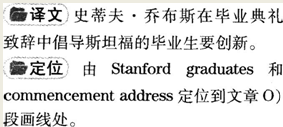
Steve Jobs called on Stanford graduates to innovate in his commencement address.
参考答案
O
答案解析
全文翻译:
收获冒险带来的回报
A.自从史蒂夫•乔布斯辞去苹果公司的首席执行官职务,他无与伦比的商业领袖的身份为人称道,他为股东创造了巨大的财富,并且引导设计了变革整个音乐和移动通讯行业的拳头产品。
B.这一切都是真的,但是,让我们换一种想法,借用一下苹果公司多年前的营销口号。让我们把乔布斯先生视为一住行为榜样。
C.首先,他是一个创新者。他的创造力在诸如iPod,iPhone和iPad这样的产品中可见一斑,以及在对音乐和在线手机软件进行定价和推销的新商业模式中得以体现。对于创新的研究会得出相同的结论:你无法策划创新,但是你可以增加它发生的可能性。而乔布斯先生的事业可以被视为对增加这种可能性的不断追求,不仅是为了他自己,同时也是为了他所领导的公司。当然,乔布斯先生也非常享受这种非凡的成功。(51)但是创新,广泛地定义为所有经济进步的关键要素——给国家带来更快的发展,让公司拥有更多有竞争力的产品,给个人带来更兴旺的事业。很多专家说,乔布斯先生为我们展示了在创新游戏中是什么在起作用。
D.一位为企业和政府提供创新咨询的顾问约翰•高说:“我们可以从史蒂夫•乔布斯那里看到并学习到美国创新的本质是什么。”(49)他指出,目前很多其他国家在生产创新的原材料方面领先于美国。这些包括政府对于科研方面的资金支持、国家对于新兴产业的政策扶持、教育上的成果、工程师和科学家的培养,甚至还有互联网宽带服务的网速。
E.(52)但是,高先生补充说,其他国家明显缺少的是一种鼓励多样性、实验、冒险和把多种不同领域的技能融入到产品之中的他称之为“打碎重组”的社会环境。正如iPhone,重新定义了智能手机的范畴。他说:“其他国家的文化并不会像美国那样支持乔布斯所示范的创新。”
F.如今所有行业的工作人员都被告知广泛的好奇心和不断的学习对振兴现代经济至关重要。(54)职业顾问说,正规教育很重要,但是真实的生活经历通常甚至更有价值。
G.乔布斯先生是一个被领养的孩子,在硅谷长大,他很早便表现出了那些品质。他小时候就对电子产品着迷,建立Heathldt自己动手项目,比如收音机。他仅仅上了一个学期的课便从瑞德学院辍学,从此便游历印度寻找灵感,之后才回到硅谷和他的朋友史蒂芬•沃兹涅克,一个工程界的奇才,共同创办了苹果公司。乔布斯在1985年被迫离开了苹果公司,之后创办了另外两家公司——Next和Pixar,他在1996年再次回到苹果公司,并于1997年成为了首席执行官。
H.他的道路是不同寻常的,但是创新专家说这种探索模式是正常的。(53)欧洲企业管理研究院的一名教授赫尔•葛瑞格森说:“通常正是像乔布斯这样可以从多种经历中有所借鉴的人才能经常产生突破性的想法和见解。”
I.葛瑞格森先生是《创新者的DNA)这本新书的合著者。这本书是基于对全球5,000位创业者和高管们长达八年的研究写成的。该书的另两位合著者为杨百翰大学的教授杰夫•代尔和哈佛商学院的教授克莱顿•克里斯坦森,后者l997年出版的书《创新者的困境》普及了“颠覆性创新”的概念。
J.学术界发现了颠覆性创新者的五个共同特点:质疑、实验、观察、联想和建立关系网。这些特点的总与其他专家所提到的不断的好奇心和勇于冒险相呼应。赫尔•葛瑞格森解释说,这里的建立关系网,并不是构建事业关系,而是对于新想法的不断探求。(50)他补充说,联想指的是通过将不同学科的概念联系到一起:从而丝盛能够产生新想法的关联的能力。
K.葛瑞格森先生说:“创新者会定期参与这种脑力活动,这是他们的一种习惯。”据书的作者说,创新型公司确实会在股票市场中获得更高的估价,他们称之为“创新溢价”。它是通过对公司股价的估算,而不是通过对其现有的产品或是资金流来计算的。创新溢价试图量化投资者因公司的创新而赌公司将来会更好的预期。
L.通过他们的计算,苹果公司在乔布斯先生掌管的第一阶段有37%的创新溢价。(55)他离开的时间里发生了31%的创新折价。在他曰归之后,苹果公司的财富在一开始逐渐增长,从2005年开始显著地增长,从那时起便达到了52%的创新溢价。
M)这并没有真凭实据,但赫尔•葛瑞格森说,乔布斯先生如果没有离开苹果公司之后的经历,(48)尤其是在制作了一系列重要的、成功的商业电影如《玩具总动员》和《飞屋环游记》的Par动画制作工作室的那段时间,那么他在苹果公司的第二阶段内就不可能彻底改造这个产业.
N.乔布斯先生在2005年斯坦福大学的毕业典礼上说过大致相同的话=(47)他告诉学生:“事实证明被苹果公司辞退是我遇到的最好的事情了:”他也提到了坚持和意志力:他说:“有时候生活会给你当头一棒。不要失去信念。”
O.(46)乔布斯先生通过对创新的呼吁结束了典礼致辞,倡导大家在择业和生活上都要创新:他对学生们说,要有好奇心、敢于实践和冒险。他引用了《全球目录》最终版的封底上的文字“求知若饥,虚心若愚”对这些建议进行了强调。他补充道:“我经常希望自己是这样,而现在,鉴于你们已经毕业了,要重新开始,我希望你们也是这样。”
Steve Jobs called on Stanford graduates to innovateinhiscommencement address.
O. Mr. Jobs ended his commencement talk with a call to innovation, both in one's choice of work and in one's life. Be curious,experiment,take risks,he said to the students. His advice was emphasized by the words on the back of the final edition of The Who/e Earth Catalog, which he quoted: "Stay hungry. Stay foolish. " "And," Mr. Jobs said, "I have always wished that for myself. And now, as you graduate to begin anew, I wish that for you. "

收获冒险带来的回报
A.自从史蒂夫•乔布斯辞去苹果公司的首席执行官职务,他无与伦比的商业领袖的身份为人称道,他为股东创造了巨大的财富,并且引导设计了变革整个音乐和移动通讯行业的拳头产品。
B.这一切都是真的,但是,让我们换一种想法,借用一下苹果公司多年前的营销口号。让我们把乔布斯先生视为一住行为榜样。
C.首先,他是一个创新者。他的创造力在诸如iPod,iPhone和iPad这样的产品中可见一斑,以及在对音乐和在线手机软件进行定价和推销的新商业模式中得以体现。对于创新的研究会得出相同的结论:你无法策划创新,但是你可以增加它发生的可能性。而乔布斯先生的事业可以被视为对增加这种可能性的不断追求,不仅是为了他自己,同时也是为了他所领导的公司。当然,乔布斯先生也非常享受这种非凡的成功。(51)但是创新,广泛地定义为所有经济进步的关键要素——给国家带来更快的发展,让公司拥有更多有竞争力的产品,给个人带来更兴旺的事业。很多专家说,乔布斯先生为我们展示了在创新游戏中是什么在起作用。
D.一位为企业和政府提供创新咨询的顾问约翰•高说:“我们可以从史蒂夫•乔布斯那里看到并学习到美国创新的本质是什么。”(49)他指出,目前很多其他国家在生产创新的原材料方面领先于美国。这些包括政府对于科研方面的资金支持、国家对于新兴产业的政策扶持、教育上的成果、工程师和科学家的培养,甚至还有互联网宽带服务的网速。
E.(52)但是,高先生补充说,其他国家明显缺少的是一种鼓励多样性、实验、冒险和把多种不同领域的技能融入到产品之中的他称之为“打碎重组”的社会环境。正如iPhone,重新定义了智能手机的范畴。他说:“其他国家的文化并不会像美国那样支持乔布斯所示范的创新。”
F.如今所有行业的工作人员都被告知广泛的好奇心和不断的学习对振兴现代经济至关重要。(54)职业顾问说,正规教育很重要,但是真实的生活经历通常甚至更有价值。
G.乔布斯先生是一个被领养的孩子,在硅谷长大,他很早便表现出了那些品质。他小时候就对电子产品着迷,建立Heathldt自己动手项目,比如收音机。他仅仅上了一个学期的课便从瑞德学院辍学,从此便游历印度寻找灵感,之后才回到硅谷和他的朋友史蒂芬•沃兹涅克,一个工程界的奇才,共同创办了苹果公司。乔布斯在1985年被迫离开了苹果公司,之后创办了另外两家公司——Next和Pixar,他在1996年再次回到苹果公司,并于1997年成为了首席执行官。
H.他的道路是不同寻常的,但是创新专家说这种探索模式是正常的。(53)欧洲企业管理研究院的一名教授赫尔•葛瑞格森说:“通常正是像乔布斯这样可以从多种经历中有所借鉴的人才能经常产生突破性的想法和见解。”
I.葛瑞格森先生是《创新者的DNA)这本新书的合著者。这本书是基于对全球5,000位创业者和高管们长达八年的研究写成的。该书的另两位合著者为杨百翰大学的教授杰夫•代尔和哈佛商学院的教授克莱顿•克里斯坦森,后者l997年出版的书《创新者的困境》普及了“颠覆性创新”的概念。
J.学术界发现了颠覆性创新者的五个共同特点:质疑、实验、观察、联想和建立关系网。这些特点的总与其他专家所提到的不断的好奇心和勇于冒险相呼应。赫尔•葛瑞格森解释说,这里的建立关系网,并不是构建事业关系,而是对于新想法的不断探求。(50)他补充说,联想指的是通过将不同学科的概念联系到一起:从而丝盛能够产生新想法的关联的能力。
K.葛瑞格森先生说:“创新者会定期参与这种脑力活动,这是他们的一种习惯。”据书的作者说,创新型公司确实会在股票市场中获得更高的估价,他们称之为“创新溢价”。它是通过对公司股价的估算,而不是通过对其现有的产品或是资金流来计算的。创新溢价试图量化投资者因公司的创新而赌公司将来会更好的预期。
L.通过他们的计算,苹果公司在乔布斯先生掌管的第一阶段有37%的创新溢价。(55)他离开的时间里发生了31%的创新折价。在他曰归之后,苹果公司的财富在一开始逐渐增长,从2005年开始显著地增长,从那时起便达到了52%的创新溢价。
M)这并没有真凭实据,但赫尔•葛瑞格森说,乔布斯先生如果没有离开苹果公司之后的经历,(48)尤其是在制作了一系列重要的、成功的商业电影如《玩具总动员》和《飞屋环游记》的Par动画制作工作室的那段时间,那么他在苹果公司的第二阶段内就不可能彻底改造这个产业.
N.乔布斯先生在2005年斯坦福大学的毕业典礼上说过大致相同的话=(47)他告诉学生:“事实证明被苹果公司辞退是我遇到的最好的事情了:”他也提到了坚持和意志力:他说:“有时候生活会给你当头一棒。不要失去信念。”
O.(46)乔布斯先生通过对创新的呼吁结束了典礼致辞,倡导大家在择业和生活上都要创新:他对学生们说,要有好奇心、敢于实践和冒险。他引用了《全球目录》最终版的封底上的文字“求知若饥,虚心若愚”对这些建议进行了强调。他补充道:“我经常希望自己是这样,而现在,鉴于你们已经毕业了,要重新开始,我希望你们也是这样。”
Steve Jobs called on Stanford graduates to innovateinhiscommencement address.
O. Mr. Jobs ended his commencement talk with a call to innovation, both in one's choice of work and in one's life. Be curious,experiment,take risks,he said to the students. His advice was emphasized by the words on the back of the final edition of The Who/e Earth Catalog, which he quoted: "Stay hungry. Stay foolish. " "And," Mr. Jobs said, "I have always wished that for myself. And now, as you graduate to begin anew, I wish that for you. "