根据提供的信息和语言素材设计一节阅读课的教学方案。教案包含教学目标、主要教学活动及设计意图、教学步骤等。(用英文作答,设计意图可用中文作答。)
语言素材:
参考答案
答案解析
Knowledge objectives/Knowledge and skills
Students can learn how the students in the small village go to school and the reasons for it.
Students can be more familiar with expressions about transportation such as by boat, ride a bike, go on a ropeway, how do you go to school?
Ability objectives/Process and methods:
Under the guidance of the teacher and pictures, students can improve their reading skills such as predicting how the children in this village go to school.
Students can use the reading strategies such as skimming and scanning to get the detailed information from the passage.
部分
(3)After learning this passage, students can retell the passage simply and can also express their opinions about the text.
Emotional objectives/Emotional and values
(和话题相关)
Students can learn to cherish their superior learning environment and also help some people in need of help.
阅读技能:概括大意,预测情节、复述文章、获知细节信息、口语技能、写作技能等
2. Teaching Procedures
Step 1 Lead-in
Ask students to review their ways to go to school by asking the question:how do you go to school everyday?
Then, Invite some students to share their ways and make a summary at last.
(设计意图:通过头脑风暴的方式提问学生,来进行相关知识点的复习,一方面提高了学生口语表达的能力,同时也为学习下文作准备。)
Step 2 Pre-reading
1. Ask students to watch a video about the ways to go to school.
2. After watching the video, ask students to learn some new words and answer the following questions:
Q1: Do all the students go to school like us?
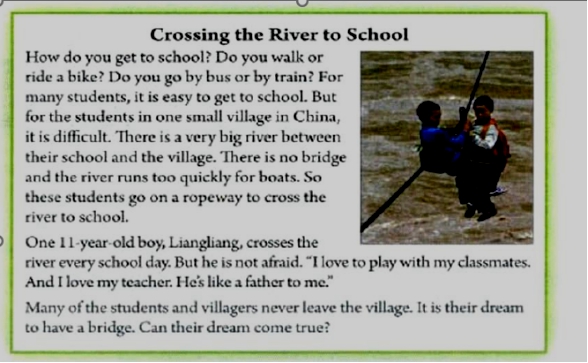
Q2: Look at the picture in the textbook, why do they go to school like this? Are they doing this for fun?
Then, ask students to talk about their answers.
(设计意图:读前观看视频并解读图片,一方面吸引学生的注意力,给学生情感上的冲击,另一方面可以帮助学生更好地预测文章内容;生词的引入,为学生阅读文章降低障碍)
Step 3 While-reading
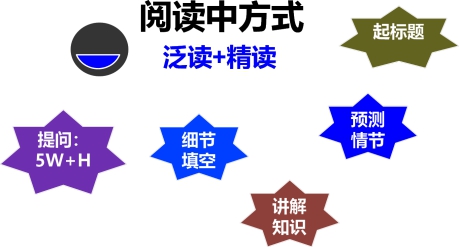
Task 1 The first reading
Ask students to read the text quickly for the first time and check their answers:
Q1: How do they go to school?
Q2: Why they go to school like this?
Arrive at the answers: go on a ropeway; there is no bridge and the river runs too quickly.
Task 2 The second reading
Ask students to read again and answer:
Q1: Does the boy like his school? Why?
Q2: Do they leave their village? What is the villagers ’dream?
部分
Then check the answers.
Task 3 The third reading
Ask students to read again and finish the blanks of some sentences:
For the students in the village, it is ______ to go to school.
They cannot go by boat because the river runs too ______.
It is not ______ to cross the river on a ______, but the boy is not ____.
Then, check the answers.
(设计意图:通过提问题的方式,引导学生阅读文章,一方面可以进行相关细节信息的获取,另一方面可以更好地帮助学生进行阅读技巧的训练。填空题型的训练可以帮助学生更好地熟悉文章中的重点词汇及句型。)
Step 4 Post-reading
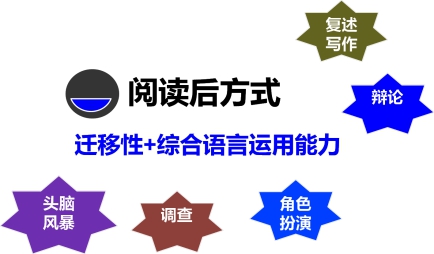
Task 1 Retelling the passage.
Ask students to retell the passage in groups: how do they go to school?
Task 2 Brainstorming.
Ask students to talk about the questions:
Q1: Do you think their dreams can come true?
Q2: Do you want to help them? What can you do?
Invite students to share their opinions.
(设计意图:复述文章,一方面可以帮助学生更好地了解文章,另一方面可以提高他们的口语表达能力;对文章中深刻话题的探讨,可以提高学生们的文化意识,提升他们的社会责任感。)