Directions:
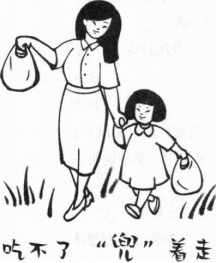
Write an essay of 160-200 words based on the picture below. In your essay, you should
1) describe the picture briefly,
2) interpret the implied meaning, and
3) give your comments.
Write your answer on the ANSWER SHEET. (20 points)
参考答案
暂无
答案解析
As is vividly depicted in the picture, a mother and herdaughter are taking home their leftovers when dining out. Sothought-provoking is the phenomenon portrayed in the cartoonthat we must give serious thought to it. Needless to say, thisdrawing is intended to convey the importance of saving.
As the American writer Ralph Waldo Emerson oncesaid, frugality is an endless feast in your life. With the rapiddevelopment of social productivity, people are enjoying highermaterial living standards, and their consumption conceptshave also undergone major changes. We cannot deny thesephenomena, but we should not abandon the traditional virtue ofour Chinese nation--thrift. Compared with developed countries,our nation is still not rich and must uphold thrift. We still shouldbe thrifty if we become rich one day. Because only by constantlyremembering and practicing thrift from generation to generationcan our country be increasingly prosperous and developed, andthus every one of us can live a rich life.
In my opinion, thrift can never become anachronic andmust be served as a wake-up call for the new era. Each of usmust truly implement the concepts of being "hard-working andthrifty" in our daily life, striving to be a passionate standard-bearer of saving, so as to make saving a good fashion.
正如漫画生动展示的那样,一对母女将外出就餐的剩菜打包带回家。漫画中所描绘的现象是如此发人深省,我们必须严肃看待该现象。不用说,这幅漫画正是想表达节约的重要性。
正如美国作家拉尔夫·沃尔多·爱默生曾经说过的,节俭是你一生中食之不完的盛宴。随着社会生产力的迅猛发展,人们享受着更高水平的物质生活,消费观念也发生了较大的改变。我们不能否认这些现象,但我们也不应该抛弃中华民族的传统美德——节俭。和发达国家相比,我们国家还并不富裕,必须提倡节约。倘若有一天,我们富有了,也应该节俭。因为只有时时不忘节俭,代代厉行节俭,我们的国家才能日益兴旺发达,我们每个人才能过上生活富足的日子。
在我看来,勤俭节约在任何时候都不过时,也必须成为在新时代敲响的警钟。我们每个人都要把“克勤克俭”的理念真正落实到日常生活中,争做节约的热情倡导者,让节约成为真正的流行。
你可能感兴趣的试题
A.Larger animals disappear at a faster rate than insects.
B.The number of insects is likely to plummet.
C.Human beings are responsible for the extinction of insects.
D.The sixth mass extinction in history can not be reversed.
A.the insects in the UK suffer from intensive academic studies
B.the US has the most honeybee colonies in the world
C.studies on different insect species vary in numbers
D.butterflies and moths are regarded as pests in England
A.Organic fertilisers and pesticides are urgently needed to protect the insects.
B.Not all insects exert a negative impact on modern farming.
C.Germany recorded insect losses using advanced tracking devices.
D.The intensive cultivation largely leads to the demise of insects.